Exosomes are rapidly gaining attention in regenerative medicine and skincare. These cellular messengers help the body repair, renew, and restore balance naturally.
Unlike traditional treatments, exosomes enhance the body's own healing system. From tissue repair to anti-aging, exosomes are attracting interest from medical and wellness professionals globally.
This article explores five major benefits of exosome and its potential to reshape health and beauty worldwide.
What is Exosome and What Are the Benefits?
What Exactly Are Exosomes?
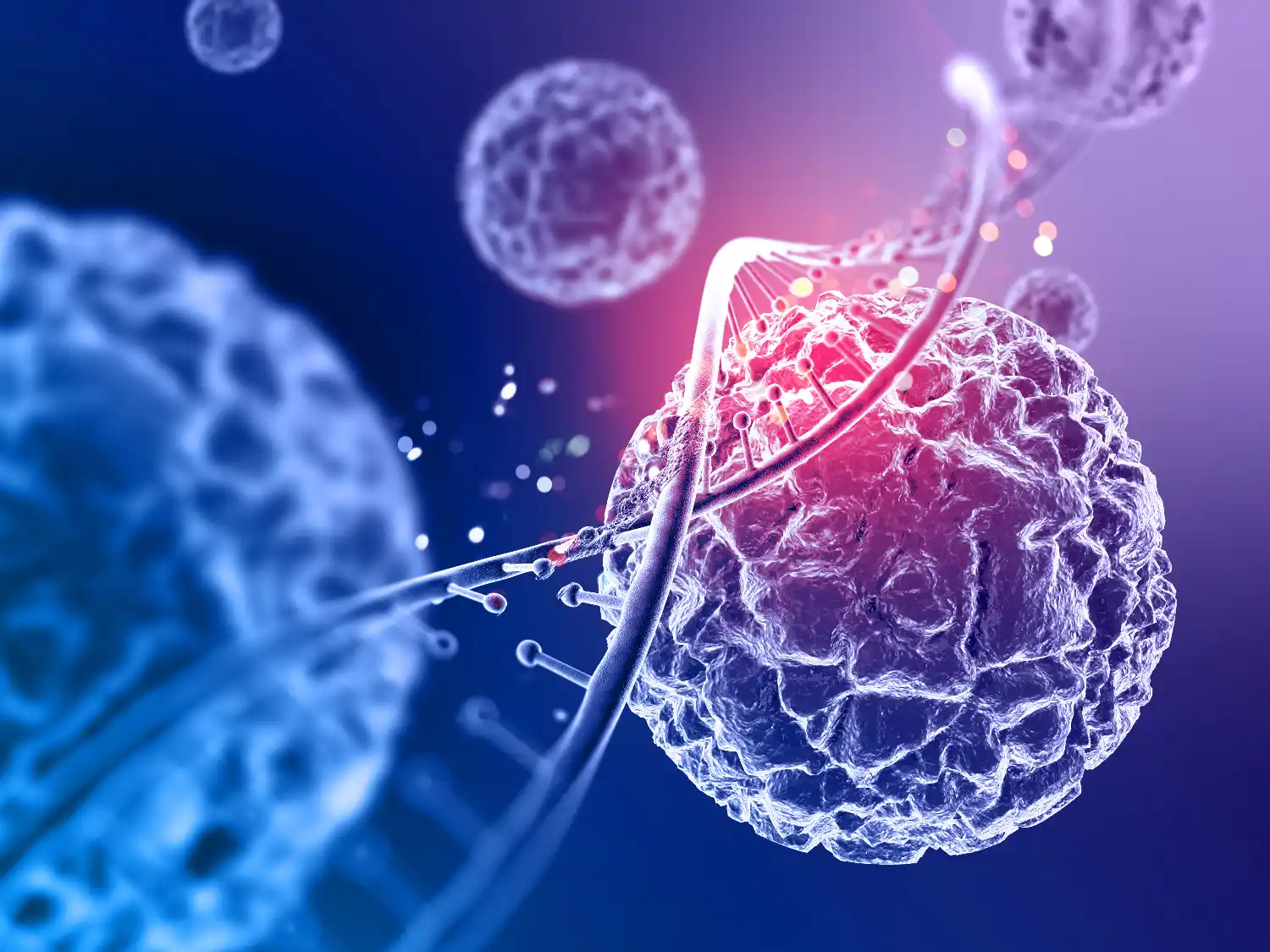
Exosomes are tiny, bubble-like particles naturally released by almost every cell in the body. Think of them as messengers — they carry proteins, RNA, and other vital molecules that allow cells to communicate and repair one another.
In short, they help your body orchestrate healing via these instructions where they are needed most.
How Do Exosome Benefits Arise?
The benefits of exosomes come from their ability to transfer information between cells. For example, when damaged tissue receives exosomes from healthy cells, the signal enhances the repair mechanism.
This process supports faster recovery, reduced inflammation, and cell regeneration — by calling upon the innate strength and potential from within the cells.
Why Understanding Exosome Benefits Is Important
Knowing how exosomes work helps you appreciate why they’re becoming essential in both medical and cosmetic applications. From regenerative therapies to skincare innovations, exosomes represent a natural, science-backed way to help the body heal, rejuvenate, and stay balanced.
In other words, understanding exosomes isn’t just for scientists — it’s for anyone who wants to take a smarter approach to health and wellness.
Further Reading:
👉 Exosomes: From Basic Research to Clinical Applications (Nature Reviews)
Benefit #1 – Enhanced Tissue Repair & Regeneration
How Do Exosomes Support Tissue Repair?
One of the most recognized exosome benefits is their power to accelerate tissue repair. Exosomes send regenerative signals that activate nearby cells, encouraging them to rebuild damaged tissue.
This makes them especially valuable in areas such as wound healing, joint recovery, and post-surgery regeneration.
What Benefits are Expected under Suitable Conditions?
Researchers have found that exosome therapy can support healing in various conditions — from skin injuries and muscle tears to nerve and heart tissue repair.
Because exosomes naturally reduce inflammation and stimulate growth factors, they help tissues recover faster while minimizing scarring and pain.
What Research have Shown about Exosome Benefit
Studies show that exosomes derived from stem cells play a major role in promoting regeneration. In preclinical and clinical studies, patients receiving exosome-based treatments showed improved tissue strength, faster recovery, and better long-term function.
These findings suggest that exosomes may soon become a key part of mainstream regenerative medicine.
Further Reading:
👉 Exosomes: A Promising Strategy for Tissue Repair and Regeneration (Frontiers in Cell and Developmental Biology)
Benefit #2 – Immunomodulation & Inflammation Control
How Do Exosomes Modulate Immune Responses?
Another key exosome benefit lies in their ability to help the body balance immune activity. Exosomes released from stem cells can send anti-inflammatory messages to overactive immune cells, calming excessive reactions that cause tissue damage.
In simpler terms, they help your immune system know when to defend and when to recover.
Can Exosome Benefits People with Inflammatory Diseases?
Yes. Researchers have found that exosomes may help in autoimmune and chronic inflammatory conditions, such as rheumatoid arthritis, Crohn’s disease, and even asthma.
By regulating immune cell behavior, exosomes reduce harmful inflammation while preserving the body’s natural defense system — making them a promising alternative to long-term steroid or drug therapy.
What Studies Confirm These Benefits?
Recent studies show that mesenchymal stem cell–derived exosomes can suppress inflammatory cytokines and promote tissue healing in damaged organs.
This dual effect — reducing inflammation while enhancing regeneration — makes exosomes one of the most versatile tools in regenerative medicine and immune therapy.
Further Reading:
👉 Clinical Applications of Stem Cell–Derived Exosomes in Inflammatory Diseases (International Journal of Molecular Sciences)
Benefit #3 – Delivery Vehicle for Therapeutics
Why Are Exosomes Considered a Natural Way for Drug Delivery?
Among all exosome benefits, one of the most exciting is their role as natural carriers for therapeutic molecules. Because exosomes can pass through biological barriers — including the blood-brain barrier — they can safely deliver drugs, RNA, or proteins to specific target cells.
This means treatments can be more precise, effective, and have fewer side effects compared to traditional drug delivery systems.
What Benefits Does This Offer Compared to Traditional Methods?
Traditional therapies often struggle with issues like poor absorption, rapid degradation, or unwanted immune reactions. Exosomes solve these problems naturally.
They are biocompatible, non-toxic, and highly stable, allowing for longer circulation in the body. In other words, exosomes can carry therapeutic cargo where it’s needed most — without being rejected or broken down too quickly.
Examples of Applications of This Exosome Benefit
Scientists are exploring exosome-based delivery for cancer drugs, gene therapy, and neurodegenerative diseases like Alzheimer’s and Parkinson’s. Early studies show that exosome-loaded medications can target diseased cells more efficiently, minimizing harm to healthy tissue.
This precision makes exosomes one of the most promising platforms in the future of personalized medicine.
Further Reading:
👉 Clinical Applications of Exosomes: A Critical Review (Journal of Extracellular Vesicles)
Benefit #4 – Cosmetic & Skin Health Advantages
How Do Exosome Benefits Apply to Skin and Beauty?
In the world of aesthetics, exosome benefits are making waves for their ability to rejuvenate and repair the skin. Exosomes derived from stem cells contain growth factors, peptides, and antioxidants that help boost collagen production, cell renewal, and skin hydration — all key elements for a youthful, glowing complexion.
What Are the Mechanisms Behind These Effects?
Exosomes work by sending regenerative signals to skin cells, encouraging them to repair and replace damaged tissue. This helps reduce fine lines, wrinkles, and pigmentation, while improving skin texture and elasticity.
Because they’re derived from natural cellular communication, these effects occur gently and progressively, without irritation or downtime.
What Evidence Is Available for These Benefits?
Clinical studies and cosmetic trials show that exosome-based serums and facials can significantly improve skin smoothness and tone within weeks. Dermatologists also note that exosome therapy supports faster recovery after laser or microneedling treatments, enhancing results and reducing redness.
Simply put, exosomes are setting a new standard for non-invasive skin rejuvenation.
Further Reading:
👉 Exosomes for Skin Rejuvenation: Therapeutic and Cosmetic Potential (MDPI – Cosmetics Journal)
Benefit #5 – Diagnostic & Prognostic Insights
How Can Exosomes Aid in Medical Diagnostics?
Beyond therapy, exosome benefits also extend to the world of diagnostics. Because exosomes carry molecular “snapshots” of their parent cells — including proteins, DNA, and RNA — they can serve as biomarkers for detecting diseases early.
Doctors can analyze exosomes from blood, urine, or saliva to monitor cell activity without needing invasive procedures.
What Valuable Insights Can We Learn from Exosomes in Disease Treatment?
Exosomes not only help identify a disease but can also track how it progresses or responds to treatment. In cancer research, for example, exosome analysis helps predict tumor behavior and treatment resistance.
This makes exosomes a promising tool for personalized medicine, where care plans can adapt in real time based on cellular communication data.
Real-World Cases or Studies Showing These Benefits
Studies show that tumor-derived exosomes can reveal early signs of cancer long before symptoms appear. Similarly, in neurodegenerative diseases like Alzheimer’s, exosomal proteins in the blood may serve as early warning indicators, improving chances for timely intervention.
In short, exosomes are changing how we detect, predict, and prevent disease.
Further Reading:
👉 Exosomes: Current Knowledge and Future Perspectives in Diagnostics (Nature Reviews Molecular Cell Biology)
What to Consider When Choosing Exosome-Based Solutions
What Factors Influence the Realization of Exosome Benefits?
Not all exosome products are created equal. The quality of exosome benefits depends greatly on how exosomes are sourced, purified, and stored.
High-quality exosomes are typically manufactured under GMP-compliant conditions, ensuring consistency in activity, sterility, and safety for clinical or cosmetic use. Always check if the supplier provides certified testing data and documentation trail of their process.
How to Evaluate a Supplier or Product for Exosome Benefits?
When choosing an exosome therapy provider or product line, look for transparency. A trustworthy supplier should:
- Clearly state the origin of exosomes (e.g., stem cell type)
- Offer quality and sterility certificates
- Use validated isolation and storage methods
- Provide supporting clinical or safety data
These details indicate whether you’re truly getting the intended therapeutic or cosmetic benefits.
What Are the Risks or Limitations to Keep in Mind?
While exosomes show great promise, research is still evolving. Improper handling, contamination, or unverified formulations may reduce effectiveness or cause side effects.
To ensure safety, always consult qualified medical professionals and avoid unregulated or overly commercialized products that make unrealistic claims.
Responsible use is key to achieving the true potential of exosome benefits — safely and effectively.
Further Reading:
👉 Challenges and Opportunities in Clinical-Grade Exosome Production (Frontiers in Pharmacology)
Conclusion
From tissue repair to immune balance, drug delivery, skin rejuvenation, and early disease detection, exosomes are redefining how we approach health and regeneration.
Their natural ability to communicate between cells makes them one of the most powerful tools in both medical innovation and aesthetic enhancement.
Solving the Problem at Its Source: YJ-Bio’s End-to-End Expertise
See also:
🔧 Turnkey Factory Planning & Operation Setup
We offer facility planning and design services, including:
- Cleanroom layout
- Isolator-based equipment integration
- DQ/IQ/OQ/PQ validation & VHP sterilization
- Full tech transfer and SOP implementation
Build a safe, and scalable production line — from the ground up.
🧪 YJ-Isolator: A GMP-Ready Platform for Cell & EV Production
Purpose-built for cell and exosome manufacturing, our YJ-Isolator integrates:
- Incubator
- Microscope
- Centrifuge
…and can be customized to accommodate your unique process. A complete GMP-grade production solution in one.
- Human umbilical cord-derived EVs (50 billion / 300 billion vesicles per dose)
- Immune and stem cell culture services for R&D and product development
Let us take care of the raw materials and upstream manufacturing, so you can focus on delivering better products.